October 2, 2026
Energy efficiency is an important consideration for businesses looking to manage operating costs while maintaining comfortable, functional buildings. The roof plays a significant role in a building’s overall energy performance, influencing how much heat enters or escapes the structure and how hard heating and cooling systems must work. A commercial roofer can help businesses evaluate roofing features such as insulation, reflective materials, ventilation, and green roofing solutions that may improve energy conservation. Understanding these options can help property owners make informed decisions about roofing systems that support long-term building performance and energy efficiency.
Roof Insulation and Its Energy Benefits
Roof insulation is a critical component of any building's energy strategy. Insulation serves as a barrier to prevent heat from escaping in the winter and keeps the heat out in the summer. This dual purpose makes effective insulation a powerful tool for conserving energy throughout the year. When a building is properly insulated, it requires less energy to maintain stable internal temperatures, significantly reducing energy consumption. Moreover, well-insulated roofs contribute to less wear and tear on HVAC systems, prolonging their lifespan and ensuring more efficient energy use.
Various types of insulation materials are utilized in commercial roofing, each with its unique properties and benefits. Common materials include fiberglass, polystyrene, and polyurethane foam, each offering different levels of thermal resistance. Fiberglass is a popular choice due to its affordability and high efficiency. Meanwhile, polystyrene boasts excellent moisture resistance, essential for wetter climates. On the other hand, polyurethane foam provides exceptional thermal insulation and is often used in areas that demand the highest energy conservation.
The installation of proper insulation can dramatically enhance the overall performance of a building. It creates a more comfortable indoor environment by reducing drafts and mitigating temperature fluctuations. Furthermore, effective insulation decreases the building’s energy load, resulting in significant financial savings on utility bills. Improved building performance also includes increased acoustic insulation, which dampens external noise. Combined, these benefits contribute to a better quality of life for occupants and superior satisfaction from tenants or employees.
The R-value measures an insulation material's thermal resistance or, in simpler terms, its ability to resist heat flow. A higher R-value signifies better insulating power. Different climates require different R-values to achieve optimal insulation; colder regions benefit from higher R-values, while warmer areas might require less. Knowing the appropriate R-value for a specific location helps ensure that the insulation performs at peak efficiency. Consequently, selecting insulation with an appropriate R-value is crucial for optimal energy conservation and indoor comfort.
Investing in high-quality insulation may initially appear costly, but the long-term economic benefits far outweigh the initial expenses. Enhanced insulation reduces energy bills significantly by minimizing the workload on heating and cooling systems. Additionally, with efficient energy use, businesses experience lower operational costs, freeing up resources for other essential projects. Over time, these cost savings can be substantial, offering a high return on investment. In essence, improved insulation not only saves money but also increases property value through better energy performance.
Reflective Roofing Materials and Their Impact
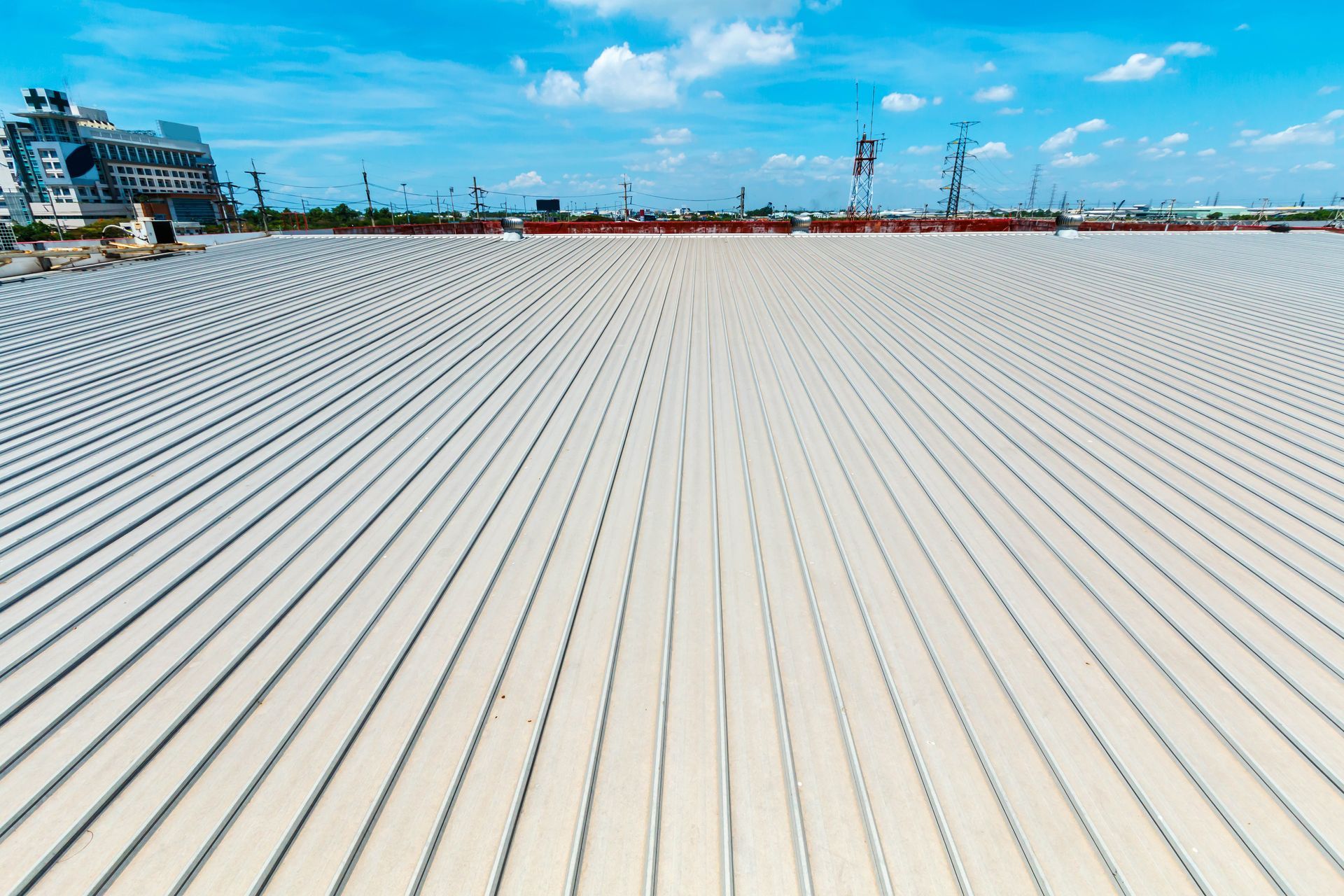
Reflective roofing materials are designed to reflect more sunlight and absorb less heat than traditional roofs. By bouncing a significant portion of solar rays away from the building, these materials reduce the heat load on the roofing structure. This phenomenon results in lower indoor temperatures during the hottest months, which is essential for energy conservation efforts. When less energy is required to cool a building, owners enjoy reduced utility costs and decreased carbon emissions. Consequently, reflective roofing is an indispensable tool in modern energy conservation strategies.
The concept of solar reflectance pertains to the ability of roofing materials to reflect sunlight. Reflective roofs, also known as cool roofs, leverage high solar reflectance and thermal emittance to mitigate heat ingress. According to Global Growth Insights, reflective and cool roof coatings can reduce cooling energy usage by up to about 15% in commercial buildings. This impressive reduction in energy usage emphasizes the importance of adopting reflective roofing solutions. As energy efficiency becomes an increasing priority, the role of reflective roofs in commercial buildings is expected to expand further.
Several materials can be used to enhance a roof's reflectivity, each with varying degrees of effectiveness. White single-ply membranes, built-up roofs with white mineral-surfaced cap sheets, and specialty tiles are among the most popular options. White single-ply membranes offer excellent reflectivity and are easy to maintain, while built-up roofs allow for a seamless application over large areas. Additionally, specialty tiles can be molded in a variety of textures and colors while maintaining high reflectivity. The choice of material depends on factors such as cost, climate, and aesthetic preferences.
The Importance of Proper Ventilation Systems
Roof ventilation allows a building's roof to breathe, maintaining air circulation throughout the structure. It plays a vital role in safeguarding against moisture and heat buildup within the attic and roof deck. Effective ventilation systems consist of both intake and exhaust vents, which work together to create a balanced airflow. This airflow mitigates the risk of mold and rot, which can compromise the roof’s structural integrity. Consequently, roof ventilation significantly impacts the longevity and performance of the building envelope.
Proper roof ventilation helps regulate a building’s temperature by expelling hot air during the summer and moist air in the winter. During warmer months, ventilation prevents overheating in the attic, reducing strain on cooling systems and conserving energy. When temperatures drop, efficient ventilation reduces the accumulation of moisture, protecting the roof structure from potential damage. This balance in temperature also contributes to improved indoor comfort all year round. Therefore, investing in efficient roof ventilation enhances both energy savings and occupant well-being.
Selecting an appropriate ventilation system depends on the roof design, climate, and specific building needs. Options include ridge vents, gable vents, and soffit vents, each offering distinct benefits and installation processes. Ridge vents, for instance, are highly effective for facilitating continuous airflow across the roofline, while gable vents offer robust ventilation for attics with large gable ends. Meanwhile, soffit vents allow cool air intake, ensuring old air is continually refreshed. Consulting with a professional roofer can help businesses choose the optimal ventilation system that aligns with their energy-saving goals.
Green Roofing Solutions
A green roof, or living roof, is covered with plants and vegetation, integrating nature into urban spaces. These roofs consist of various layers, including a waterproof membrane, drainage layer, growing medium, and the plant layer. Green roofs provide several benefits, including improved aesthetics, biodiversity enhancement, and habitat creation in dense city areas. With innovative design and proper installation, green roofs serve as effective components of sustainable architectural practices. Their eco-friendly nature aligns with environmental goals and facilitates energy efficiency and conservation.
Green roofs offer significant environmental advantages, contributing to reduced urban heat effects and better air quality. Plants on green roofs absorb carbon dioxide, helping lower greenhouse gas levels. By mitigating the urban heat island effect, they reduce surrounding temperatures, lessening the energy needed for cooling buildings. Additionally, green roofs aid in managing stormwater runoff, reducing the risk of flooding by absorbing rainwater. These multifaceted environmental benefits make green roofs a valuable component of modern urban infrastructure.
Green roofs inherently provide natural insulation, significantly reducing energy consumption within a building. The additional layers of soil and vegetation slow heat transfer, providing a natural cooling system in summer and retaining warmth during winter. This thermal regulation decreases reliance on artificial heating and cooling systems, thereby conserving energy. Moreover, research shows that green roofs can result in substantial savings on cooling costs over their lifespan. Thus, adopting green roof solutions is a forward-thinking strategy for businesses aiming to improve energy efficiency.
Commercial roofers offer a wealth of solutions that contribute significantly to energy conservation efforts in businesses. By understanding the various aspects such as insulation, materials, and maintenance practices, businesses can harness these strategies to achieve sustainable energy savings. Consulting with a professional
commercial roofer provides businesses with tailored strategies that align with their energy goals. Contact ML Roof Coatings today for more information.