August 3, 2026
Ignoring minor home maintenance issues often leads to massive structural damage and expensive repairs later. Your house relies heavily on its upper barrier to shield everything inside from harsh climate conditions throughout the year. Recognizing subtle warning signals early allows property owners to fix vulnerabilities before minor issues escalate.
Understanding the overall condition of your shelter helps protect property values while keeping family members completely safe. Many homeowners overlook subtle shifts until water begins dripping directly through interior plaster.
Timely intervention prevents minor weather damage from destroying valuable structural supports inside your walls and ceilings. Routine evaluations can save significant money by identifying deteriorating materials before leaks breach interior living spaces. Proactive care ensures continuous defense against severe storms, high winds, and heavy rainfall.
Investing time into basic exterior monitoring pays immense dividends over the lifespan of your home. Staying alert to subtle signs of wear helps prevent unexpected emergency repairs during severe weather events.
1. Spotting Water Stains on Interior Ceilings
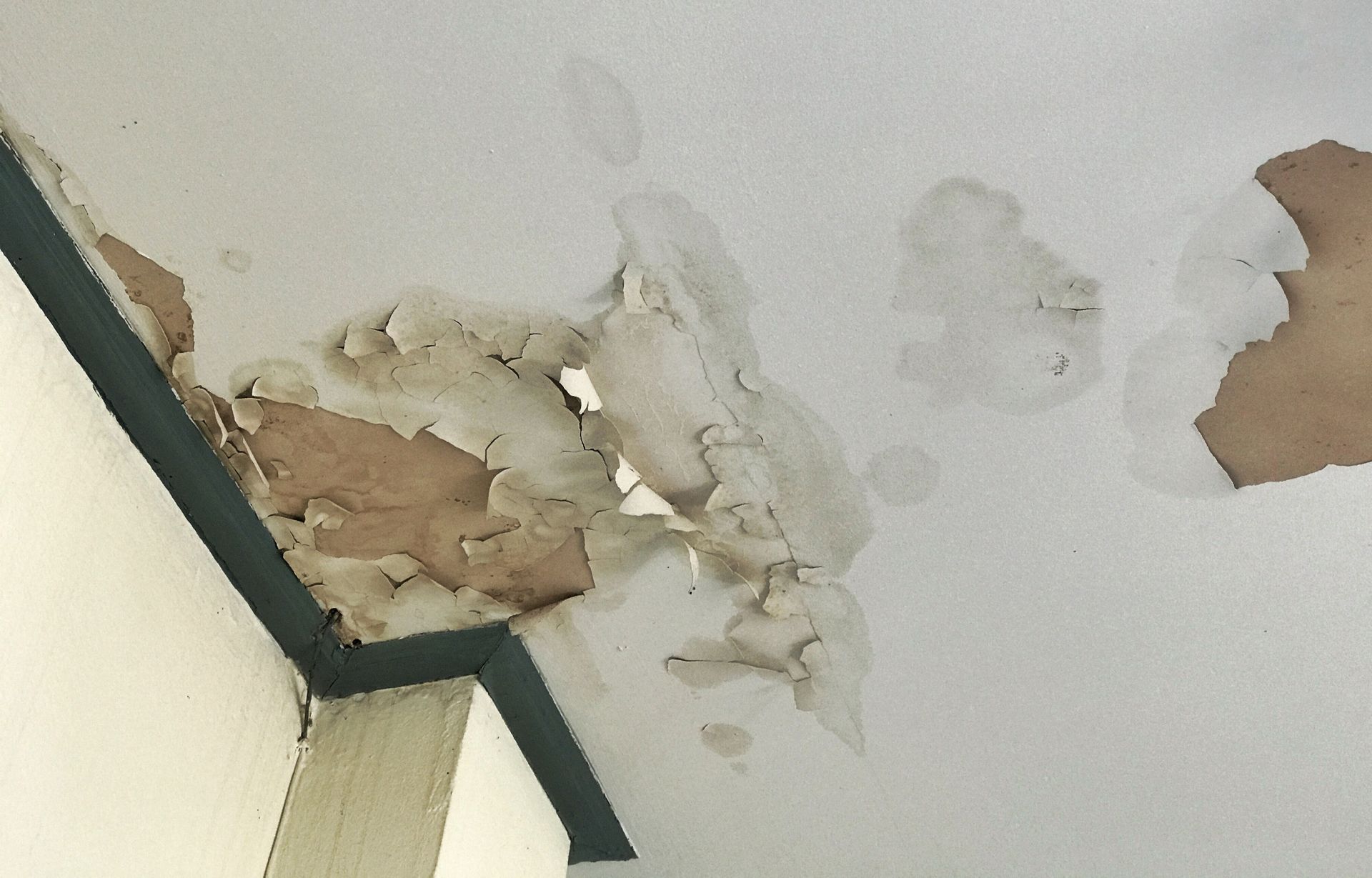
Discolored patches appearing across interior ceilings frequently signal active leaks higher up on the structure. Water often travels along internal rafters and insulation before manifesting inside, making the primary source challenging to locate without professional assistance.
When unwanted moisture breaches outer layers, underlying wooden support beams begin rotting silently out of sight. Addressing these ceiling discoloration marks quickly prevents toxic mold growth and extensive timber degradation throughout the entire attic space.
According to Consumer Affairs, the domestic roofing industry contains nearly 100,000 contractor businesses, mostly operating as small local entities. Finding a dependable local specialist ensures rapid intervention before persistent moisture causes permanent damage to critical internal framing.
Persistent water intrusion weakens structural drywall, potentially leading to sudden ceiling collapses inside occupied rooms. Water traveling along electrical conduits also creates serious fire hazards that require immediate professional attention to keep residents safe.
Ceiling discoloration rarely stays localized if water continues penetrating protective exterior materials without interruption. Small yellow or brown rings quickly expand into soft, sagging spots that harbor dangerous fungal spores and compromise indoor air quality.
Inspecting your upper attic space with a flashlight during heavy downpours helps locate active leaks early. Identifying moisture ingress points along structural beams enables prompt repairs before structural decay spreads across wider areas.
2. Finding Damaged or Missing Shingles
High winds and natural aging cause outer protective shingles to crack, curl, or blow away completely. Exposed underlayment leaves vulnerable sections completely unprotected against upcoming rainstorms and harsh environmental elements.
Performing regular visual checks from ground level helps identify missing surface materials before major leaks start. Replacing damaged sections promptly preserves underlying structural health while protecting your overall roofing structure from progressive environmental damage.
A properly sealed exterior depends on unbroken coverage across all edges, ridges, and valleys. Neglecting bare patches accelerates material decay across neighboring sections, eventually causing widespread vulnerability across the entire top surface.
- Curled or cupped surface edges
- Missing pieces after major storms
- Visible cracks along aging materials
Strong winds easily catch lifted edges, tearing away large sections during intense seasonal storms. Restoring compromised sections quickly seals exposed underlayment against driving rain and persistent wind damage.
3. Observing Granule Loss Inside Gutters
Asphalt coverings shed protective mineral granules naturally over time, accumulating directly within drainage troughs. Excessive granule accumulation inside downspouts indicates that your protective barrier is thinning at an accelerated pace.
Heavy granule loss leaves underlying asphalt exposed directly to harsh ultraviolet rays from intense sunlight. Continuous sun exposure accelerates material degradation, leaving protective layers brittle, cracked, and far less capable of repelling water.
Monitoring drainage channels during routine clearing provides valuable insight into overall material health. Finding large quantities of dark sand-like sediment signals that original protective coatings are wearing away rapidly across major slopes.
Maintaining adequate protective granules remains essential for proper roofing longevity and weather resistance. Without this protective mineral shield, underlying asphalt deteriorates rapidly under extreme temperature fluctuations.
When granules disappear, exposed areas absorb more heat, increasing attic temperatures during summer months. Inspecting gutter contents regularly helps determine whether your protective barrier requires total replacement or professional rejuvenation treatments.
Taking swift action upon discovering heavy granule loss protects your home against premature surface failure. Professional evaluations can determine if protective sealants can extend overall service life effectively.
4. Detecting Structural Sagging Along Ridges
A visible dip or curve along the upper ridge line signals severe structural support issues underneath. Trapped moisture slowly rots interior support trusses over time, leading to dangerous physical sagging that threatens entire buildings.
This serious visual warning requires immediate professional evaluation to prevent sudden, catastrophic structural failures. Ignoring obvious ridge line droops endangers home occupants while dramatically increasing eventual restoration and rebuilding costs.
- Noticeable dips along ridge lines
- Warped rafter support beams
- Uneven exterior architectural profiles
Prolonged water exposure causes major roofing framework damage that compromises overall building stability. Structural timber rot spreads silently through load-bearing trusses, weakening the primary framework supporting your entire home.
Addressing structural droops early prevents widespread framing failure during periods of heavy snow or high wind. Professional timber bracing and structural stabilization help protect your home against complete upper-level collapse.
5. Tracking Unexplained Energy Cost Spikes
Unusual increases in monthly heating or cooling expenses frequently indicate compromised upper ventilation or deteriorated insulation. Damaged exterior layers allow conditioned indoor air to escape freely into the surrounding atmosphere.
When internal climate control equipment works harder to maintain comfortable living temperatures, utility bills rise sharply. Repairing damaged exterior sections restores proper thermal performance throughout the entire residential building.
Maintaining an efficient roofing barrier helps regulate interior temperatures while reducing strain on heating equipment. Sealing hidden air leaks along the upper structure creates a consistent internal environment regardless of external weather conditions.
Inadequate upper airflow traps moisture inside attic spaces, deteriorating insulation performance year after year. Restoring balanced ventilation protects structural components while keeping monthly utility expenditures predictable and manageable.
Lowering monthly energy expenses begins with identifying hidden air pathways along top exterior surfaces. Professional insulation upgrades combined with structural repairs help maximize energy conservation during extreme weather seasons.
Consistent utility bill monitoring provides early warning of thermal envelope failures before visible interior damage appears. Addressing energy loss promptly protects financial resources while maintaining comfortable indoor living environments.
6. Identifying Flashing Separation and Corrosion
Metal flashing strips surrounding chimneys, skylights, and exhaust vents seal critical structural joints against water entry. When flashing pulls away, warps, or rusts, rain sneaks directly beneath protective outer layers.
Dried sealants and corroded metal create subtle pathways for persistent, hidden moisture intrusion over time. Regular maintenance around joint connection points prevents widespread structural decay inside interior wall cavities.
Replacing cracked caulking and damaged metal strips ensures complete watertight security across complex architectural angles. Strong joint seals effectively protect high-risk junction zones from costly, hidden water damage.
Protecting key architectural components around top penetrations prevents water from dripping into structural wall framing. Inspecting flashing seams regularly ensures long-term defense against slow, destructive interior water leaks.
Thermal expansion causes metal strips to shift, creating gaps where water collects during heavy storms. Applying specialized exterior sealants maintains flexible, watertight protection across all structural transitions and wall intersections.
Addressing flashing failures immediately prevents localized water ingress from spreading across adjacent wood decking. Professional joint maintenance extends overall system lifespan while preventing unexpected interior restoration expenses.
For durable protective coatings, comprehensive maintenance, and expert care for all your
roofing needs, contact the professionals at ML Roof Coatings.