September 3, 2026
Roof coatings have developed from basic surface treatments into specialized restoration materials designed for particular roof systems and performance goals. When applied to a compatible, properly prepared roof, a coating can reinforce weather protection, reflect solar energy, and extend the usefulness of existing materials. These benefits are increasing interest across commercial roofing, but coatings are not universal substitutes for repair or replacement. Their value depends on roof condition, product compatibility, preparation, installation, drainage, and continued maintenance.
1. Extending the Service Life of Suitable Roofs
A roof coating forms a continuous layer over an existing surface. Depending on the product, it may resist ultraviolet exposure, standing water, chemicals, or weathering. This additional layer can reduce direct exposure of the underlying membrane and protect repaired seams or transitions. It cannot restore structurally unsound decking, saturated insulation, severe corrosion, or a membrane that has deteriorated beyond repair.
Assessment is therefore the first step. Contractors may review leak history, drainage, membrane attachment, substrate condition, seams, penetrations, flashing, and previous repairs. Moisture surveys, adhesion tests, core samples, or other evaluations may be appropriate. Wet materials generally need to be removed and replaced rather than sealed beneath a coating, where concealed moisture could continue causing problems.
Preparation has a direct effect on performance. Dirt, oils, biological growth, loose material, and incompatible older coatings can interfere with adhesion. The roof may require cleaning, drying, repairs, primers, reinforcement at seams, or treatment around penetrations before the field coating is installed. Applying material over an unprepared surface may produce peeling, blistering, pinholes, or premature failure.
Film thickness matters as well. Manufacturers specify application rates and dry-film requirements based on the product and intended system. Thin or uneven coverage may not provide the expected protection, while excessive application can create curing problems. Professional commercial roofing crews use measurements, application records, and inspection procedures to confirm that the installed system matches project requirements.
2. Increasing Solar Reflectance and Managing Heat
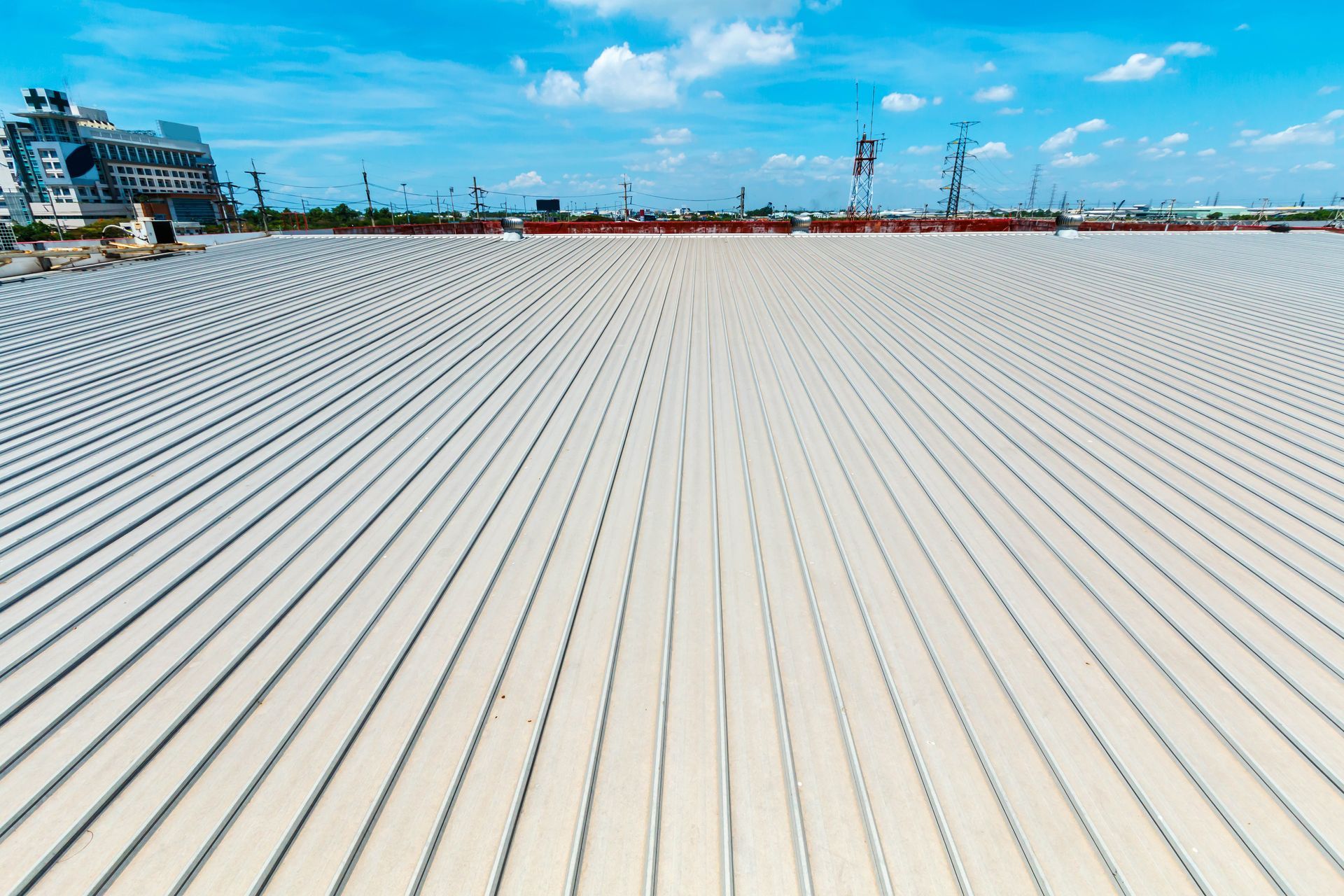
Many light-colored coatings are formulated to reflect a greater portion of incoming solar energy than a dark roof surface. They may also release absorbed heat efficiently. Together, these properties can lower roof-surface temperatures under suitable sunny conditions. The effect varies with coating color, reflectance, emittance, weather, roof insulation, building design, and surrounding shade.
A cooler roof surface may reduce heat entering the building and decrease cooling demand, particularly in warm climates and buildings with limited roof insulation. Savings are not identical for every property. Heating requirements, utility rates, HVAC efficiency, operating schedules, roof area, and climate all influence the financial result. An energy analysis can provide better guidance than a generalized percentage claim.
Energy considerations are one reason coatings are receiving broader market attention. According to Fortune Business Insights, the U.S. roof-coating market is projected to expand to approximately $0.50 billion by 2032. That forecast signals expected market growth, but it does not establish that a coating is appropriate for every roof or guarantee energy savings on a particular building.
3. Offering a Targeted Restoration Alternative
Removing and replacing an entire roof can require substantial labor, material handling, disposal, staging, and coordination. When the existing assembly remains a suitable candidate, a coating project may preserve more of the roof and focus work on cleaning, repairs, reinforcement, and surface application. This approach can reduce the amount of demolition and shorten certain phases of work.
Cost comparisons require equivalent scopes. A low coating bid may exclude wet-insulation removal, drainage corrections, flashing repairs, reinforcement, access, or warranty inspections included in another proposal. Owners should compare surface preparation, product, application rate, detail work, repairs, warranty terms, and exclusions rather than judging proposals by total price alone.
A restoration can also postpone a larger capital project when roof conditions support that choice. Delaying replacement is beneficial only if the coating provides a technically sound service period rather than concealing unresolved deterioration. A commercial roofing professional should explain why the roof qualifies, what defects will be corrected, and which conditions remain outside the project.
Coatings may be available for certain single-ply membranes, metal roofs, modified bitumen, built-up roofs, sprayed polyurethane foam, and other surfaces. Compatibility varies by product and substrate. Adhesion testing, primers, rust treatment, seam reinforcement, and manufacturer approval may be required. A product advertised for several roof types should not be applied without confirming its suitability for the exact assembly.
4. Reducing Material Removal and Supporting Roof Management
Preserving a serviceable roof assembly can reduce the amount of material sent for disposal compared with a complete tear-off. It can also reduce demand for new roofing materials during that project cycle. The environmental benefit depends on how much existing material remains, what repairs are needed, product composition, service life, and what happens during the eventual replacement.
Coatings are not environmentally preferable merely because they are liquid-applied. Products vary in volatile organic compound content, packaging, raw materials, curing requirements, and disposal instructions. Local air-quality regulations and building conditions may restrict certain formulations. Safety data, technical documents, and applicable environmental requirements should guide product selection and handling.
Extending service life can give owners more time to plan future replacement, insulation upgrades, drainage improvements, or rooftop-equipment changes. This can make roof management more deliberate and reduce emergency decisions. The building should maintain records of coating type, installation date, repairs, inspections, warranties, and rooftop modifications so future work remains compatible.
Commercial roofing plans should also control rooftop traffic. Walk pads, marked service routes, equipment coordination, and rules for other trades can reduce avoidable damage. A coating should not become an unprotected working surface for HVAC technicians, electricians, or other contractors. Any penetrations or repairs added later must be detailed with compatible materials.
5. Expanding Material and Application Options
Roof coatings include acrylic, silicone, polyurethane, asphaltic, and other chemistries. Each has different strengths and limitations involving ultraviolet exposure, moisture, abrasion, chemicals, flexibility, adhesion, and application conditions. Silicone may perform well under certain ponding-water conditions, for example, while an acrylic product may offer strong reflectivity but have different moisture limitations. The product must match the roof and environment.
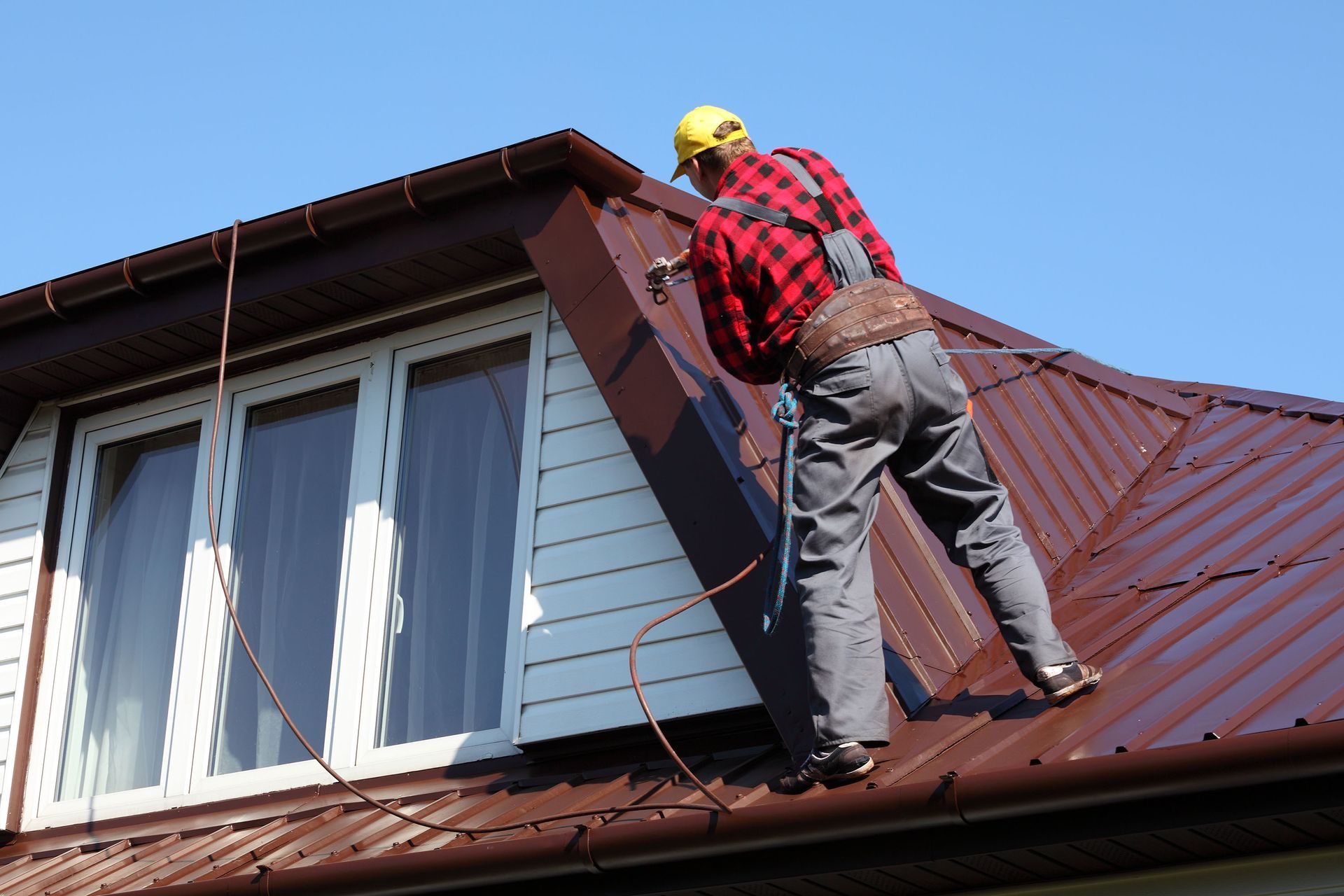
Application methods can include rollers, brushes, squeegees, or spray equipment. Selection depends on product viscosity, roof geometry, nearby property, wind, overspray risk, and contractor practice. Spray application may cover large areas efficiently, but sensitive surroundings can require extensive protection or a different method. Application speed should never take priority over coverage, detail work, or safety.
Reinforced systems use fabric or other materials at seams, transitions, penetrations, and repairs. Primers can improve adhesion or isolate incompatible surfaces. Manufacturers continue refining curing characteristics, reflectance, resistance, and application tolerances, giving contractors more ways to address varied conditions. Innovation increases the need for product-specific training rather than making installation interchangeable.
Coatings Work Best as Engineered Roof Solutions
Coatings are changing commercial roofing by preserving suitable assemblies, managing solar heat, offering targeted restoration, reducing tear-off material, and expanding the range of available solutions. These advantages are meaningful only when the existing roof is evaluated honestly, and the chosen system is installed according to its technical requirements.
Building owners should approach a coating as a designed roofing project rather than a simple coat of paint. Detailed assessment, moisture investigation, repairs, preparation, documented application, and ongoing inspections determine whether the system achieves its intended service life. With those elements in place, coatings can provide a practical and adaptable option within a long-term roof-management plan. For support from an expert commercial roofing team, get in touch with the team at ML Roof Coatings!